
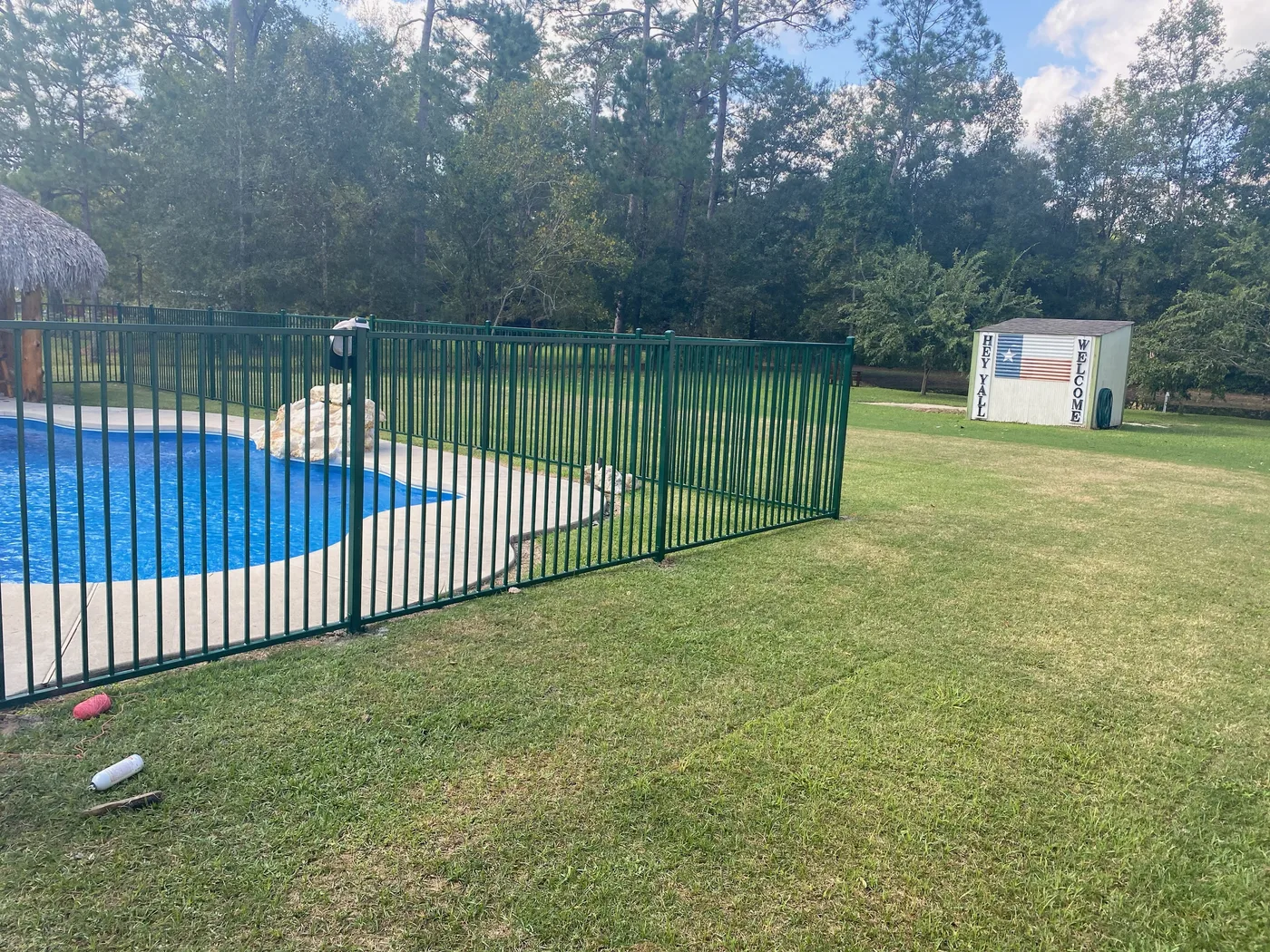
Aluminum
Does not rust the way iron does, handles salt, and it is the common choice where you still want the view across your pool.
Your pool fence has one job it has to do whether anyone is watching or not: hold the line around the water.
Built to Code, Chosen for the Look
A pool fence is the one on your property with a job it has to do whether anyone is watching or not. It has to hold the line around the water and carry hardware that closes and latches on its own. Whether it is also required where you live depends on your city, your county, and your HOA, and we will tell you what we know about your address. Getting that right and making it look like it belongs to the yard, not bolted on after the fact, are the same job here.
Does not rust the way iron does, handles salt, and it is the common choice where you still want the view across your pool.
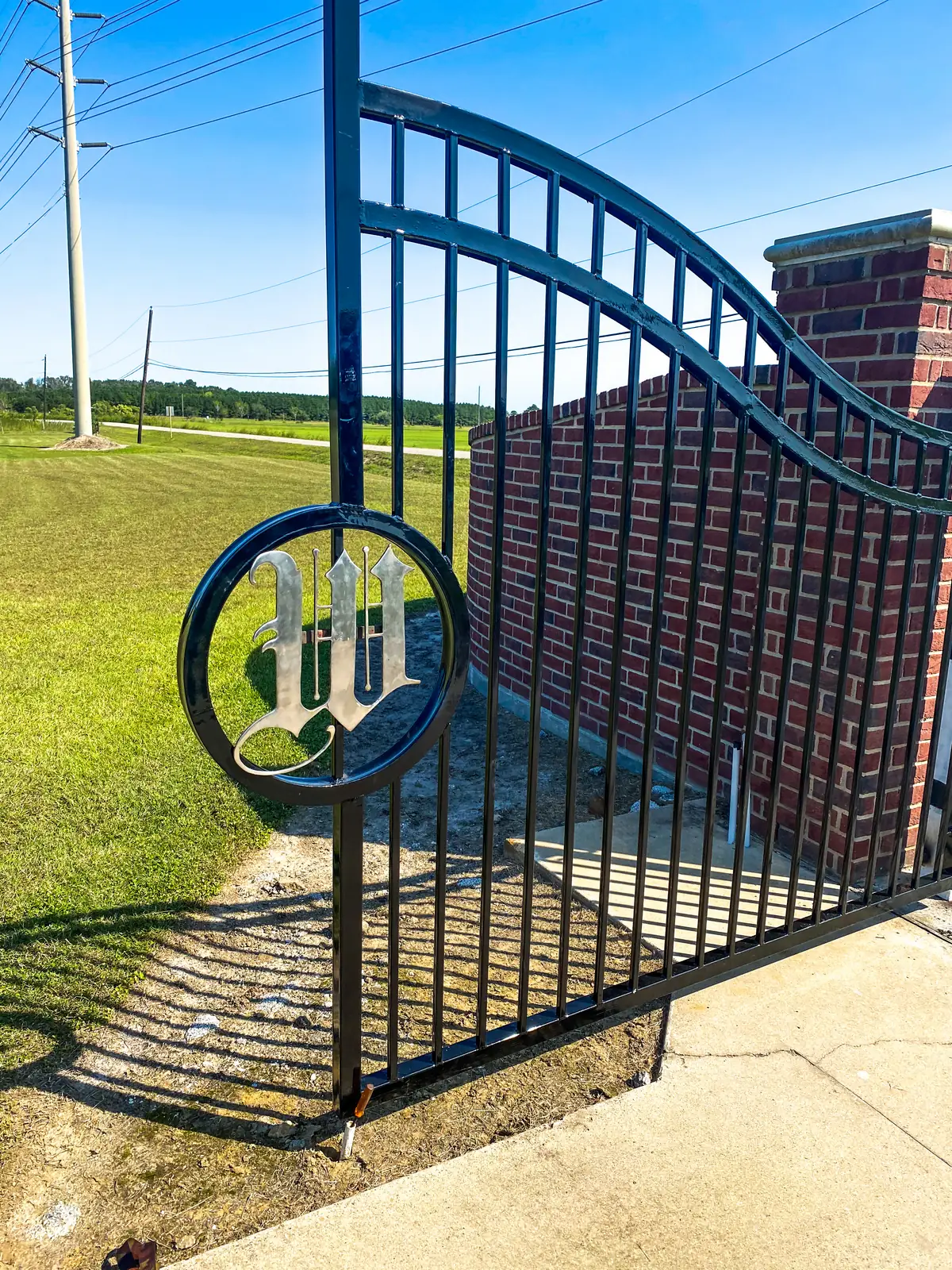
Stronger than aluminum, the right call where security matters more to you than an open sightline.
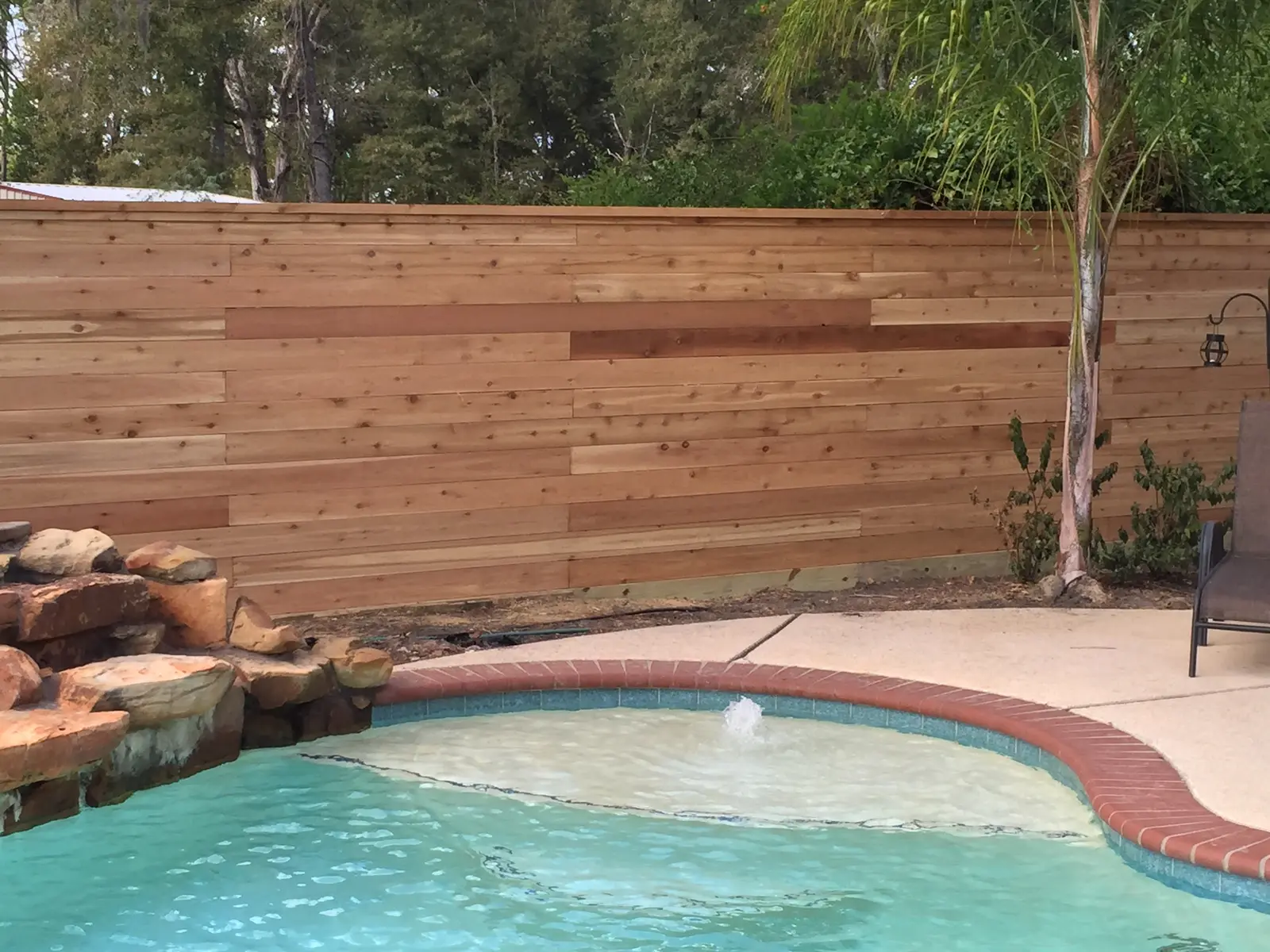
Matches the rest of the yard's fence line, where the code on your property allows it.
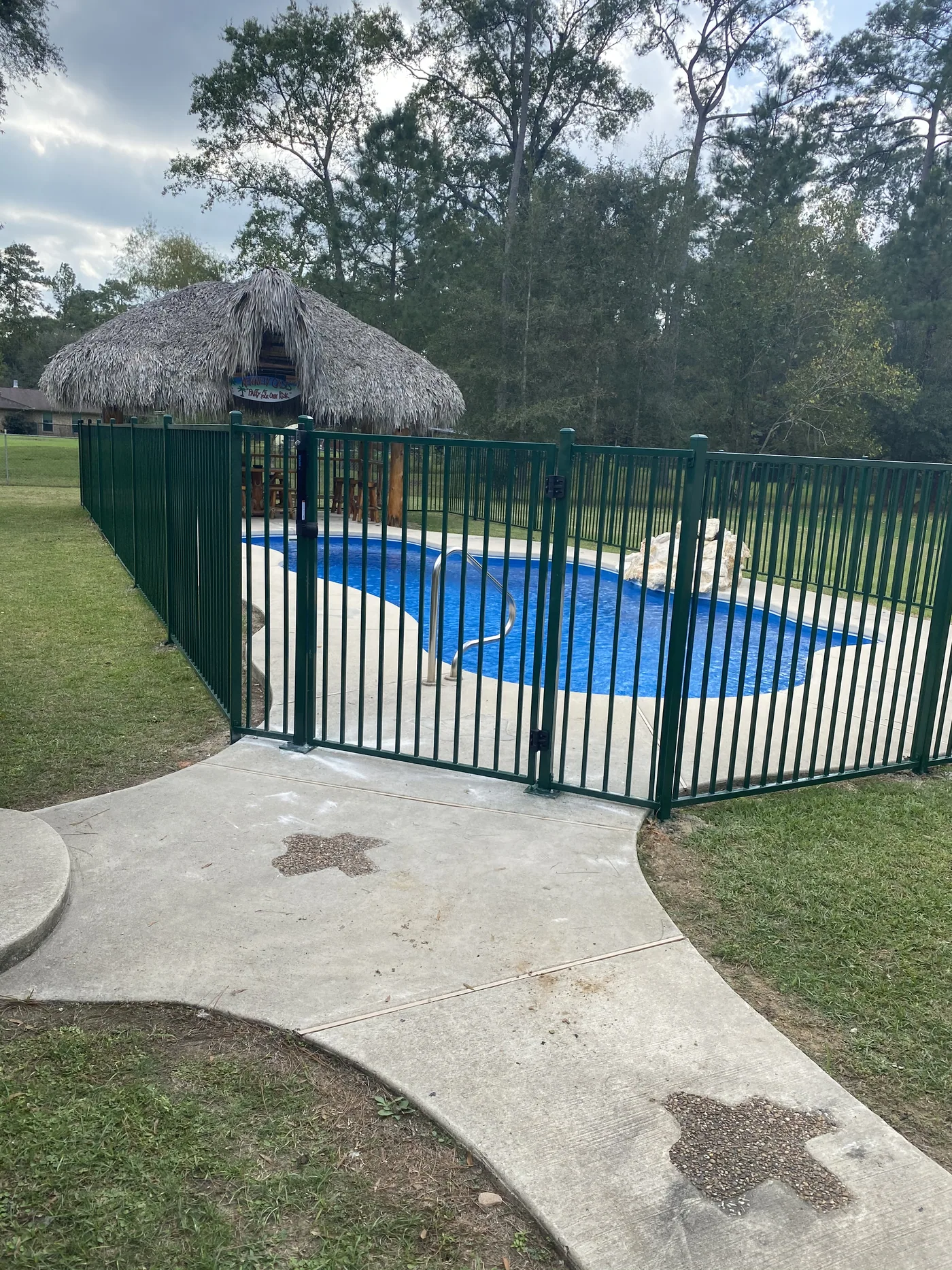
The Part an Inspector Checks
A pool fence gets looked at closer than most, by an inspector, by an insurer, and by anyone who ever asks "is that up to code." Building yours right the first time means it does not become the thing that holds up your closing or your renewal.
What actually goes into it:
After It Goes In
No gate propped open because the latch stopped catching, and no surprise at inspection because the fence wasn't built to what your property actually requires. Just hardware that keeps doing its job and a fence that looks like it was always meant to be there.
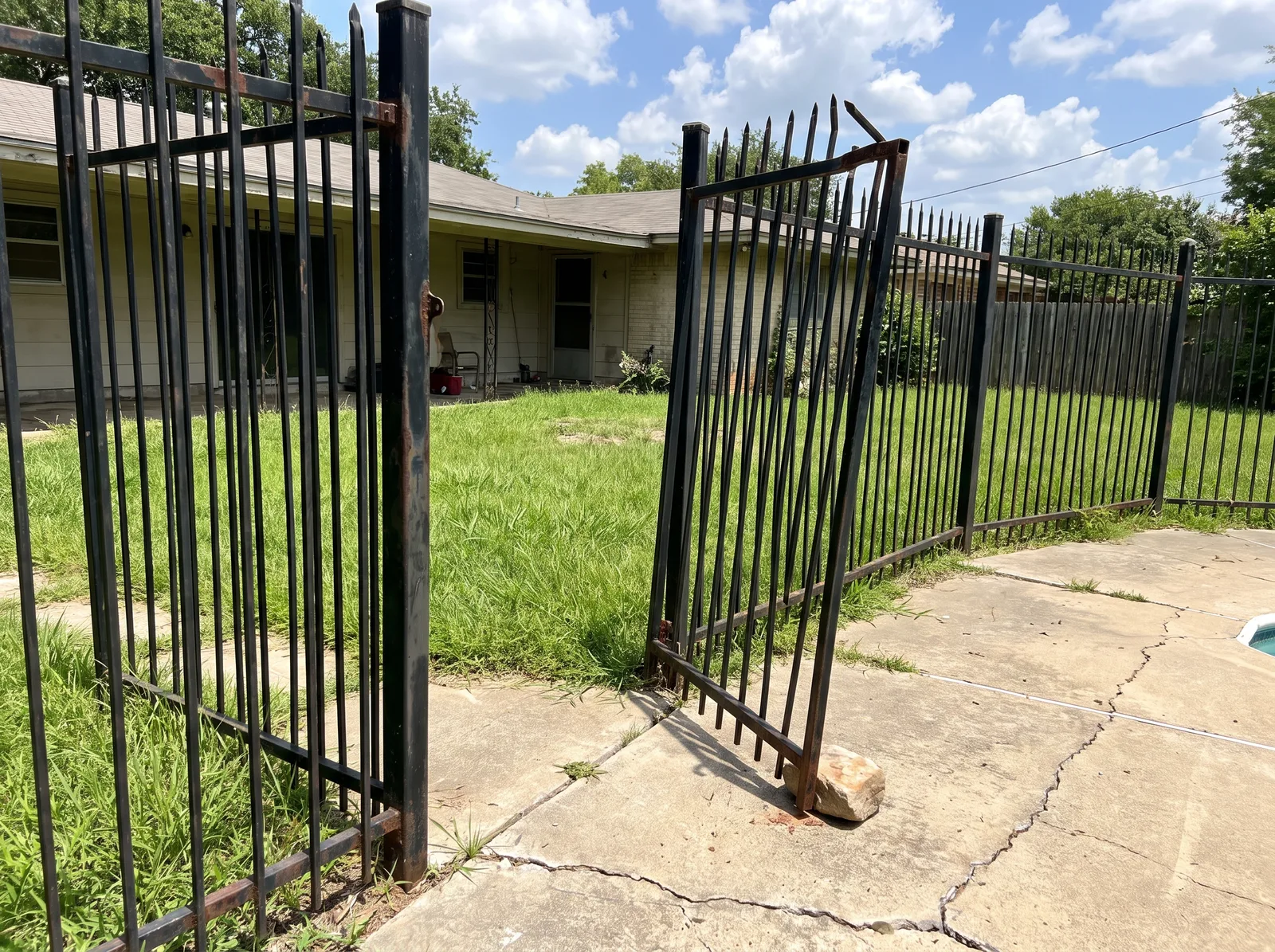
Here is the one worth knowing, because the parts of a pool fence that fail are the parts that fail quietly. A spring hinge loses tension, a latch corrodes and stops fully catching, a gate settles just enough to leave a gap. None of that looks broken. So every so often, push the gate to any open position and let go. If it swings shut and latches by itself, you are fine. If you have to help it, that is your answer.
A pool gate that's stopped latching on its own isn't something to leave for later, and it's usually a fix, not a full rebuild.
The Work
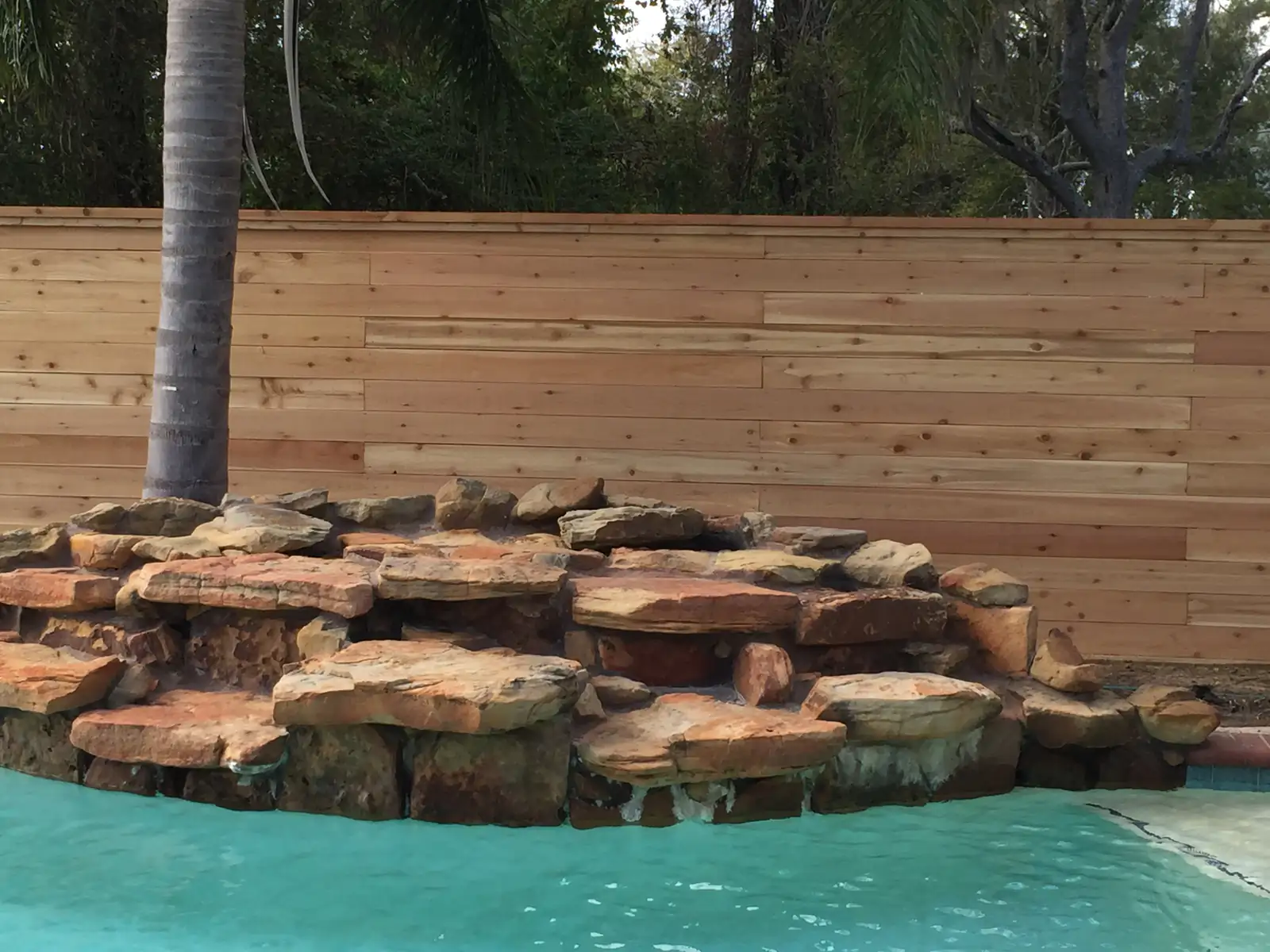
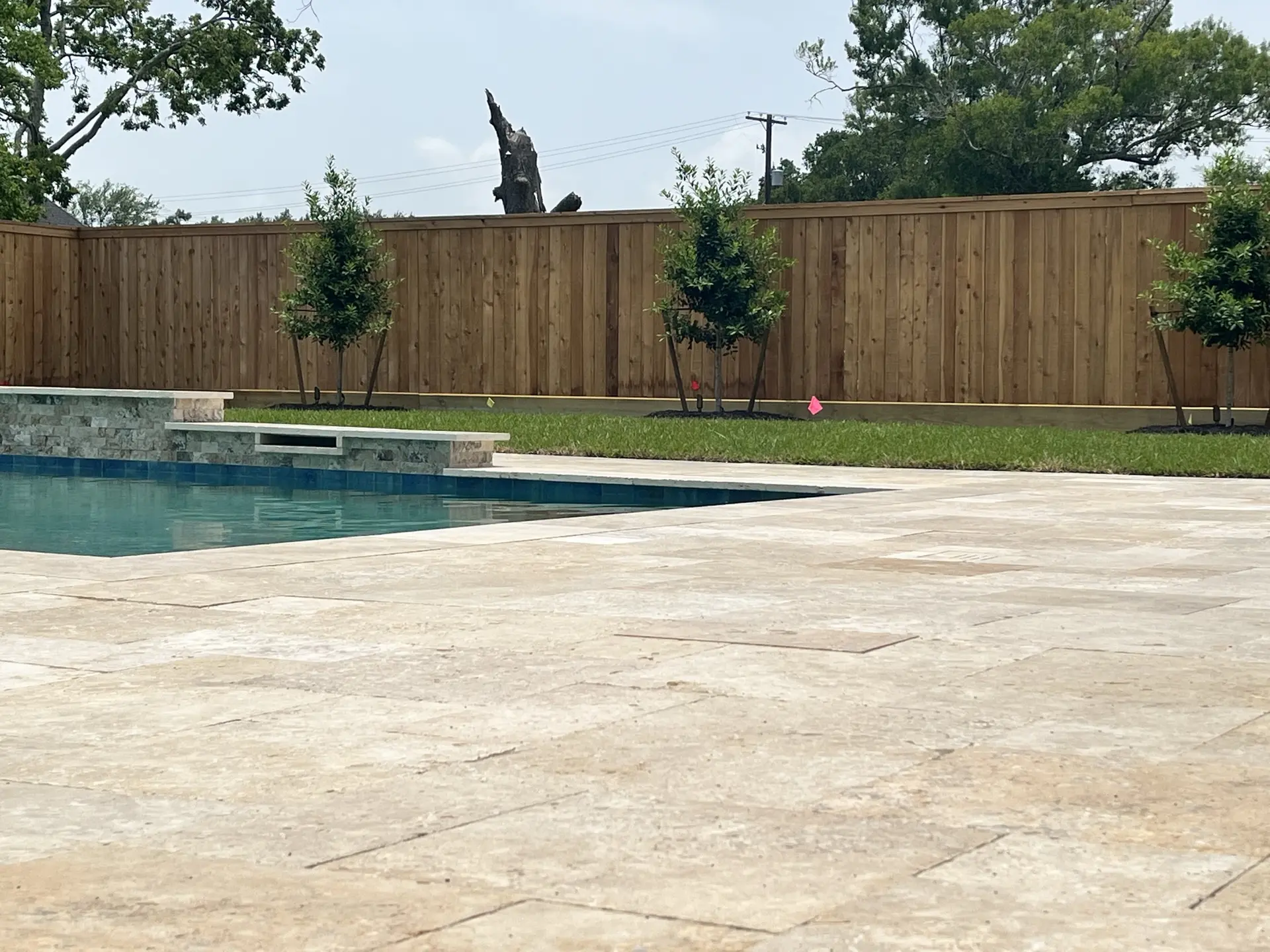
These are real pool fences we've built, photographed on site. There are more of them waiting for you in the project gallery.
Homeowners tell it straight
What Gets People Calling
A few of the reasons people call us about pool fencing.
Questions
Have one that is not on this list? The fastest answer is a phone call.
Call NowThere is no single rule covering every pool in Texas, so the honest answer is that it depends on your city, your county, and whether an HOA has its own requirement. We laid out what actually applies here. Insurers often want one regardless, and separate from all of that, a pool fence carries its own safety rules a regular property fence does not. We tell you what applies to your property and where to confirm it yourself.
Self-closing and self-latching hardware on the gate. That is the piece that actually does the safety job, and it goes on every pool gate we build, every time. It is also the piece worth checking now and then, since a hinge losing tension does not look like anything from across the yard.
Aluminum does not rust the way iron does and is the common choice where you still want the view, and it is the one we lean toward if yours is a saltwater pool, since salt is hard on iron. Ornamental iron is stronger, the right call where security matters more to you than the sightline. Wood can work where the code on your property allows it and you want it to match the rest of the yard.
Often, and a pool fence has its own safety rules on top of the general permit question. It depends on your city and your county. We tell you what we know about your area and where you need to confirm it yourself.
Yes. Pool decking and pool fencing are work we build alongside each other often.
Request a Quote
It starts with a few details and a call to set up a time to measure. Nothing gets quoted from a photo or a guess.
Would you rather talk to us? Call today: (936) 257-5171.