
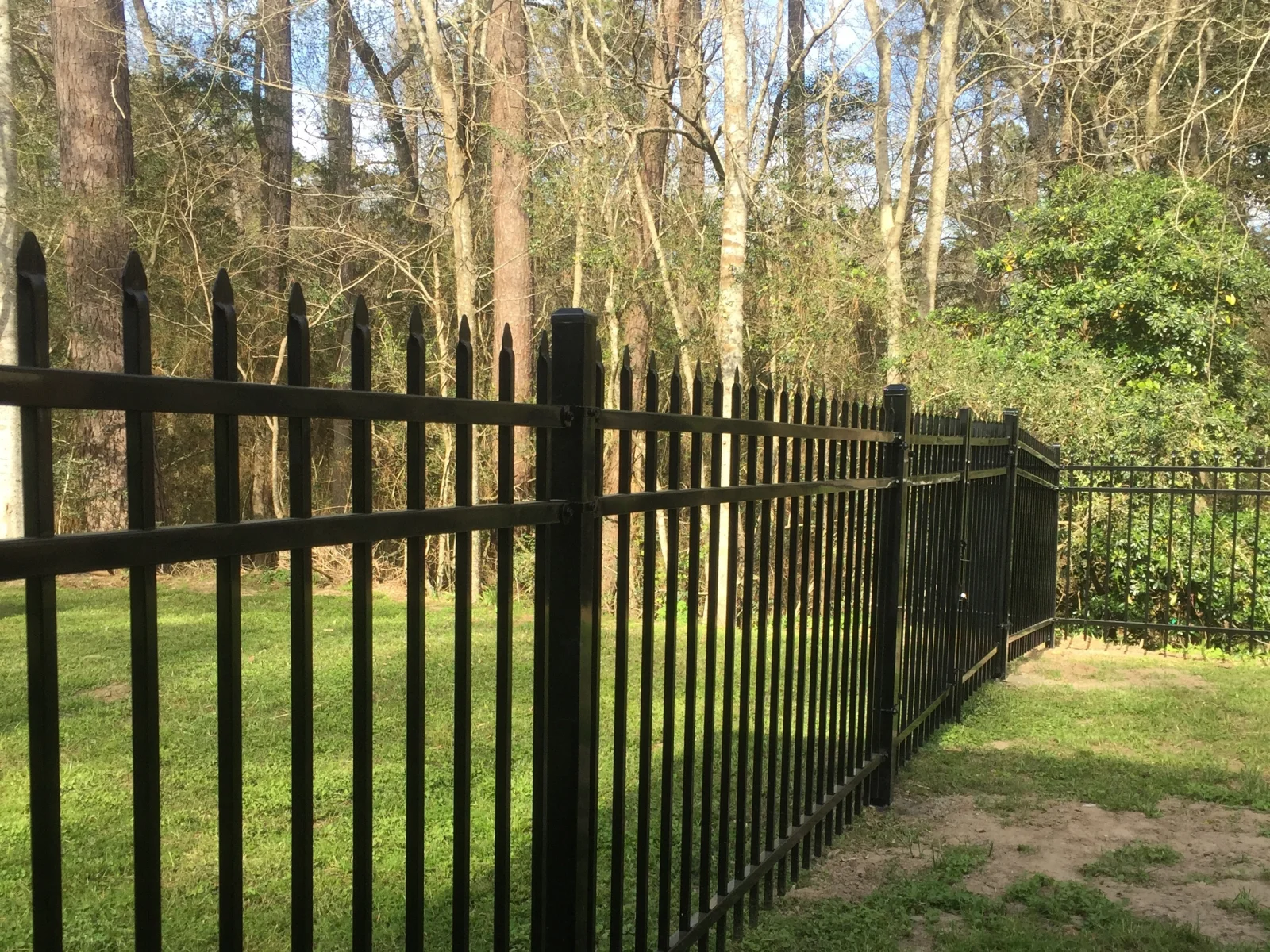
Front yards
A finished boundary that doesn't block your view of the street.
An open view across your front yard, your pool enclosure, or your business frontage, in a metal that will not rust the way iron does, which matters most near a saltwater pool or the bay.
Where Aluminum Actually Earns Its Keep
If you want the line marked without losing the view across it, that's where aluminum lands. It holds a boundary without hiding what's behind it, and it doesn't rust the way iron does in a climate that's hard on bare metal.
A finished boundary that doesn't block your view of the street.
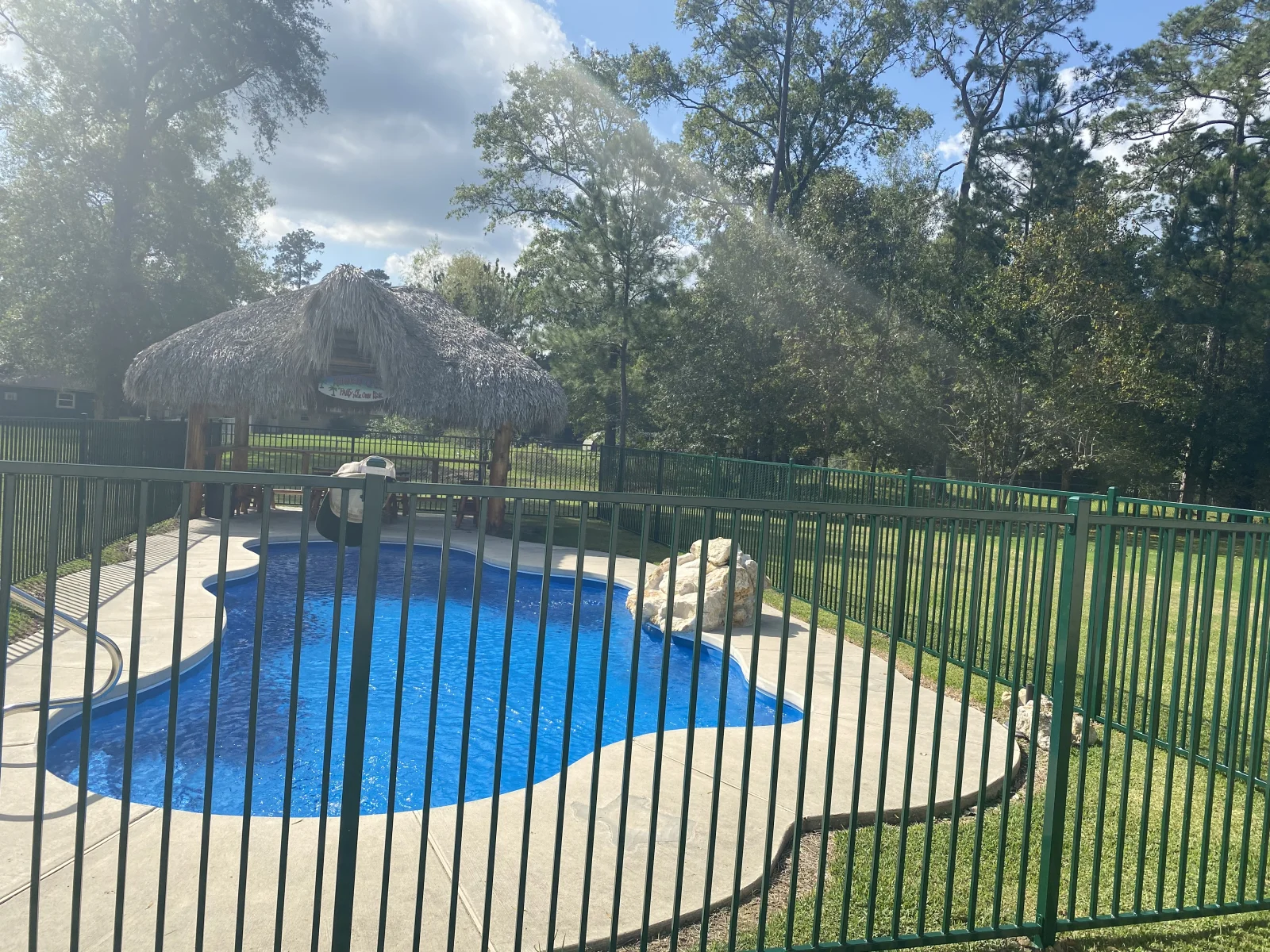
The look and the view you want, paired with the safety hardware pool fencing actually needs, in a metal that handles salt.
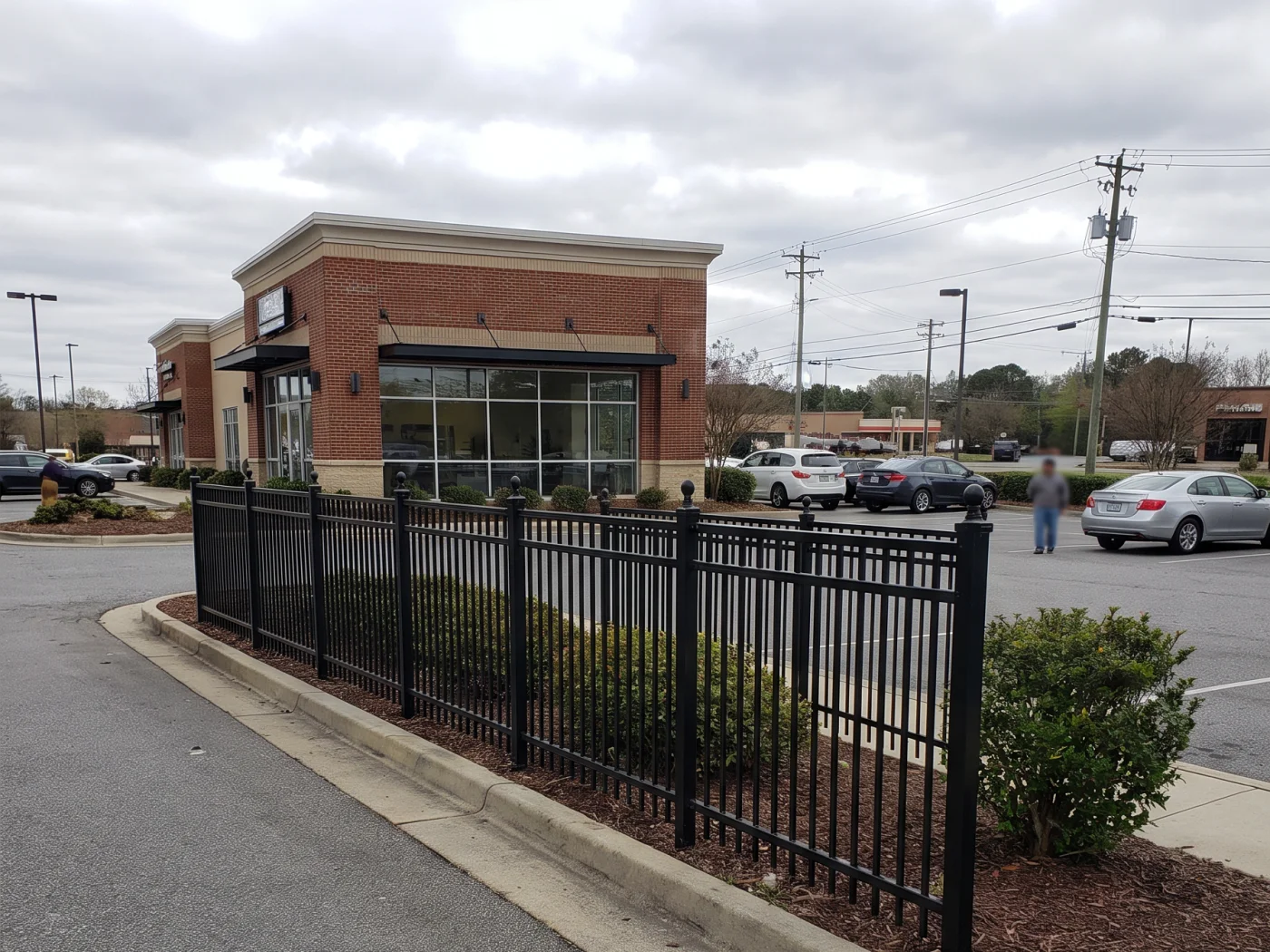
A finished look for your business without a frontage that reads like a fortress.
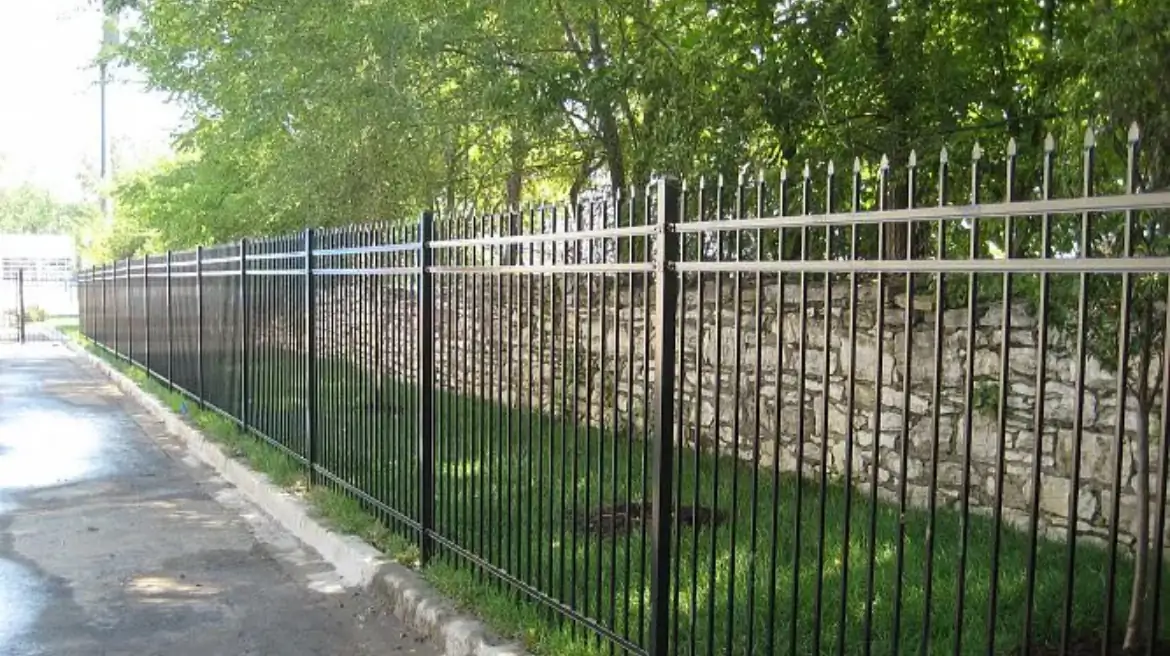
A line that looks finished the day it goes in on your property, and keeps looking that way.
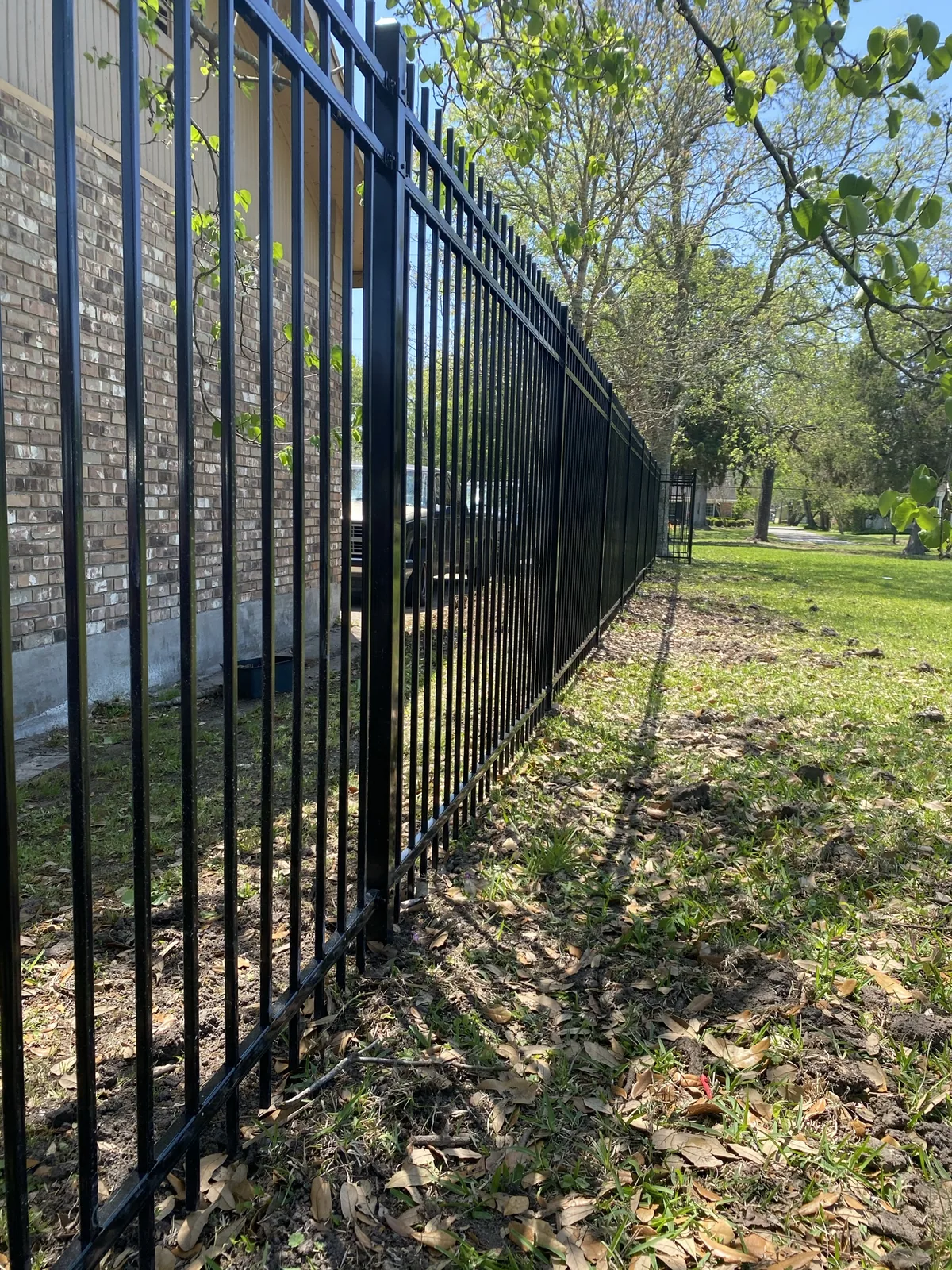
What Salt Air Does to Bare Metal
Salt is what usually decides this one. Near the bay, or around a saltwater pool, chlorides keep metal wet longer and work through the coating protecting iron. Aluminum protects itself instead, which is why we lean toward it on those properties, and why it's the default wherever your view matters as much as your boundary.
What actually goes into it:
Years From Now
No rust streaks down a picket, no bare metal showing through a chipped coating, and nothing for you to paint or seal to keep it looking the way it did the day it went in.
One thing worth knowing up front: aluminum still secures a boundary, that's what any fence does, but it is not built to stop someone determined to climb over it, the way wrought iron is. If keeping people out, not just marking where the property ends, is the actual goal, wrought iron is the stronger call.
If it's the iron fence already on your property showing rust streaks, or a coating chipped through to bare metal, that doesn't have to mean replacing the whole run. Most of the time that's a repair job.
The Work
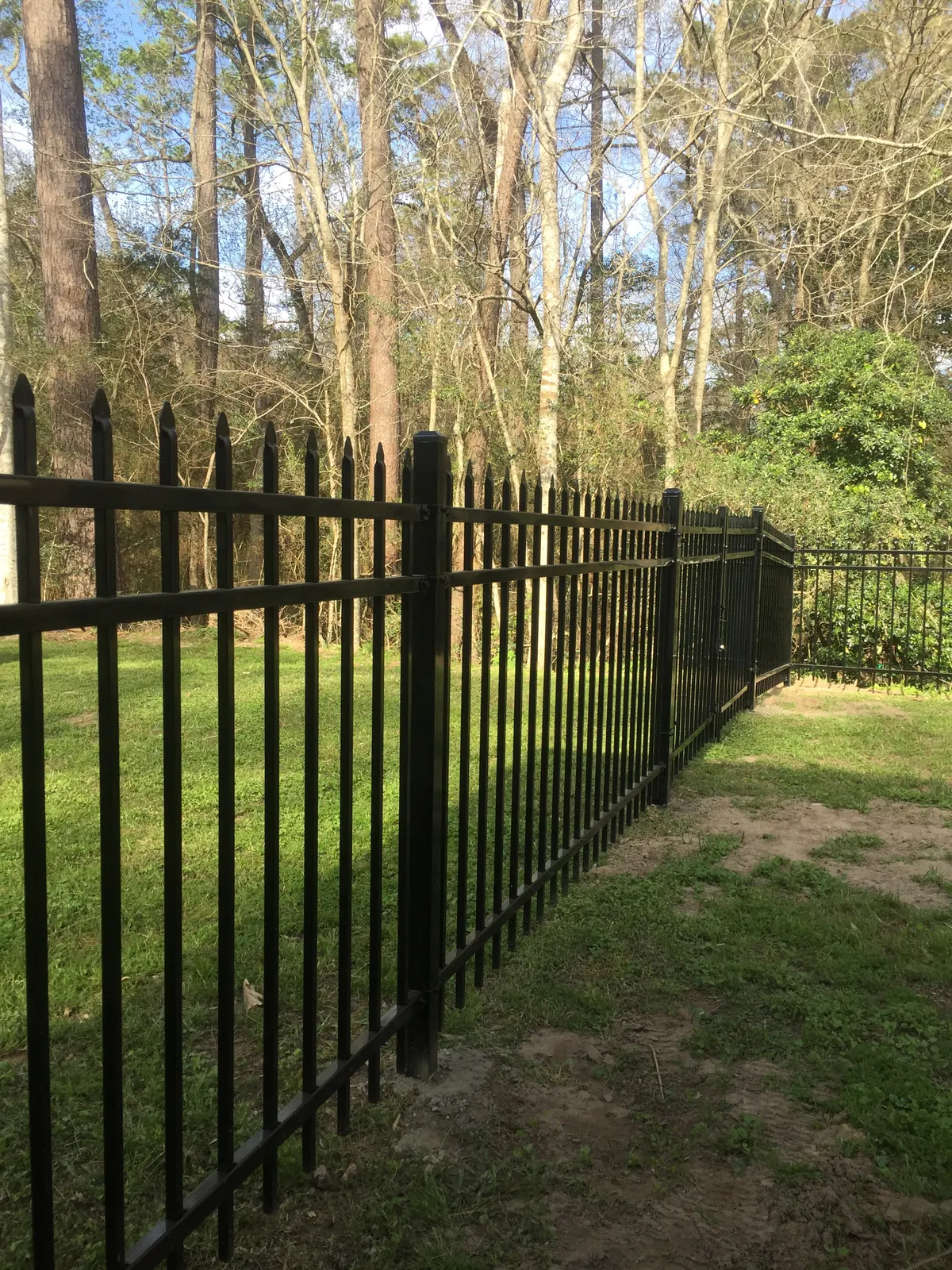
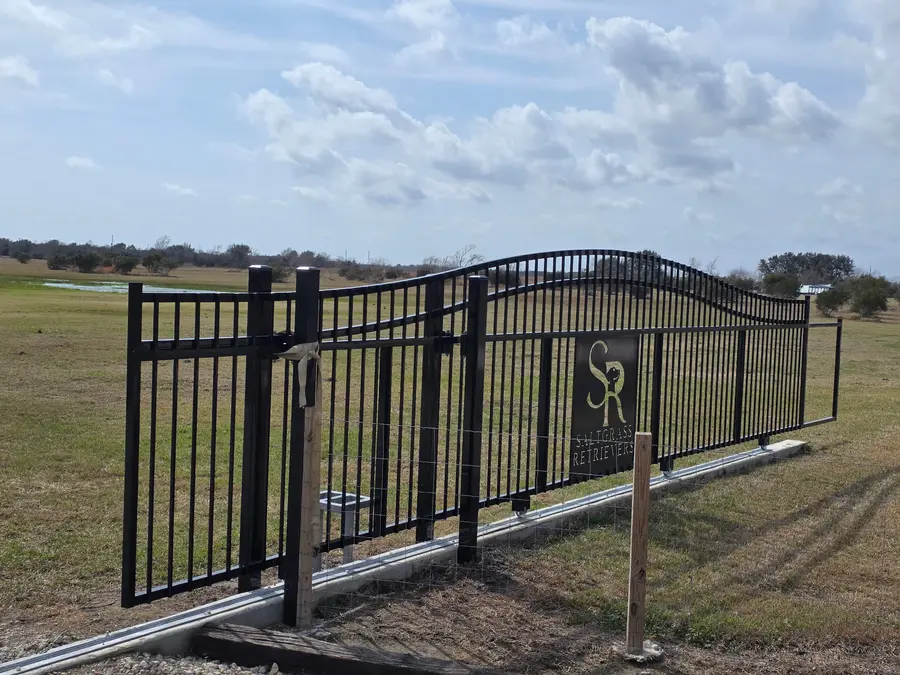
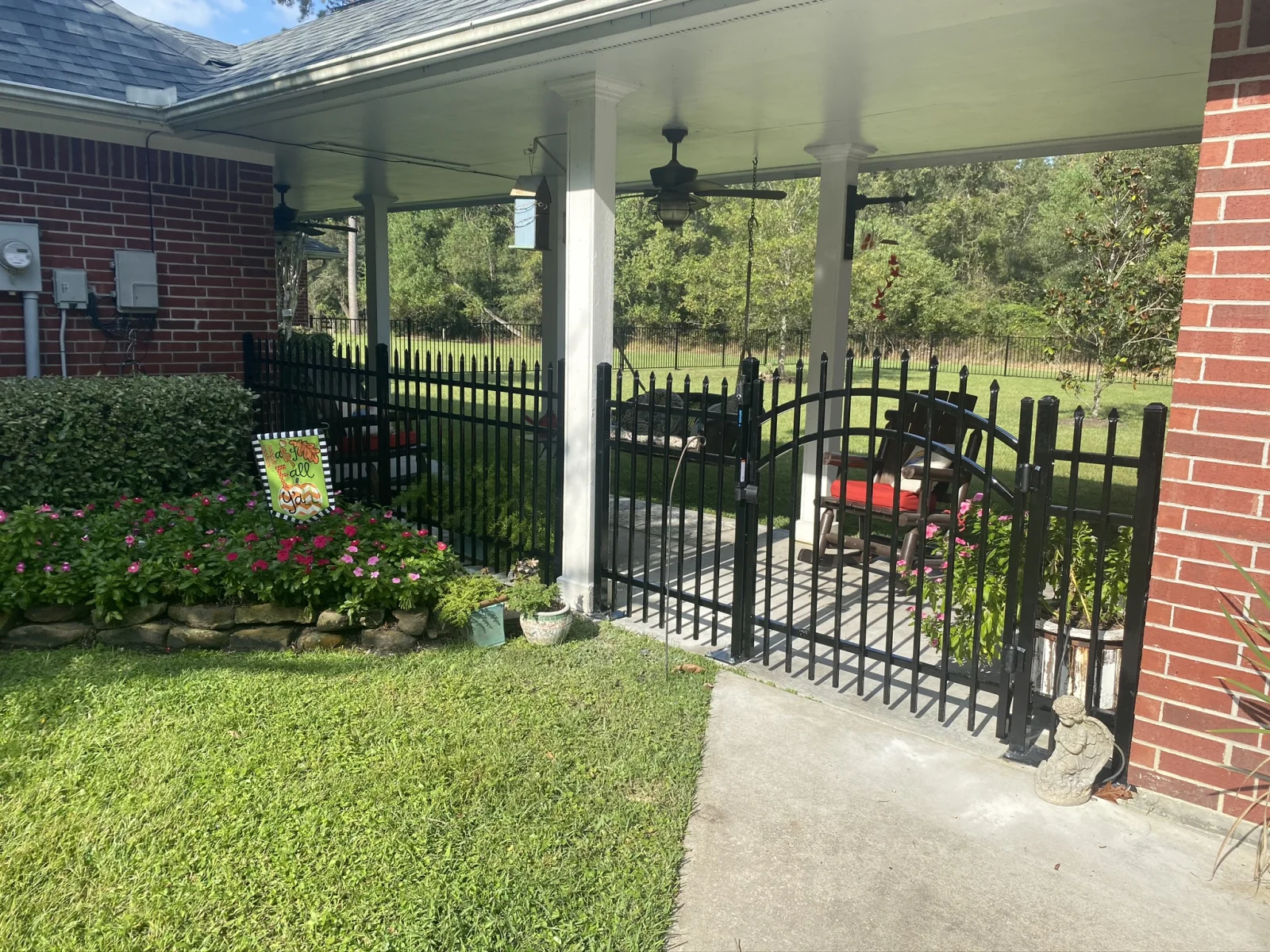
Every photo here is from a fence we actually installed, not a catalog image. More of our work is in the project gallery.
Homeowners tell it straight
What Gets People Calling
A few of the reasons people call us about aluminum.
Questions
Have one that is not on this list? The fastest answer is a phone call.
Call NowNo. Rust is what happens to iron. Aluminum forms its own protective layer instead of a coating that flakes off, which is why it holds up the way it does here, and why it matters most near salt water.
Yes, in the sense that any fence secures a boundary, and aluminum does that well. What it is not built for is stopping someone determined to climb over it, the way wrought iron is. If that stronger kind of security is the real goal, wrought iron is the stronger call.
Yes, and it's the one we lean toward if yours is a saltwater pool, since salt is hard on iron. Pool fencing has its own safety-hardware requirements on top of the material choice.
Both take the same coating, so once they are up they look much the same. What actually differs is strength and salt. Iron is considerably stronger and the right call for an anti-climb perimeter that has to stop someone, not just mark a line. Aluminum is the call near the bay or around a saltwater pool, because salt is hard on iron and aluminum protects itself instead.
No. The coating on aluminum is there for the color, not for protection, so there's no rust to stay ahead of the way there is on iron left unmaintained.
Request a Quote
It starts with a few details and a call to set up a time to measure. Nothing gets quoted from a photo or a guess.
Would you rather talk to us? Call today: (936) 257-5171.